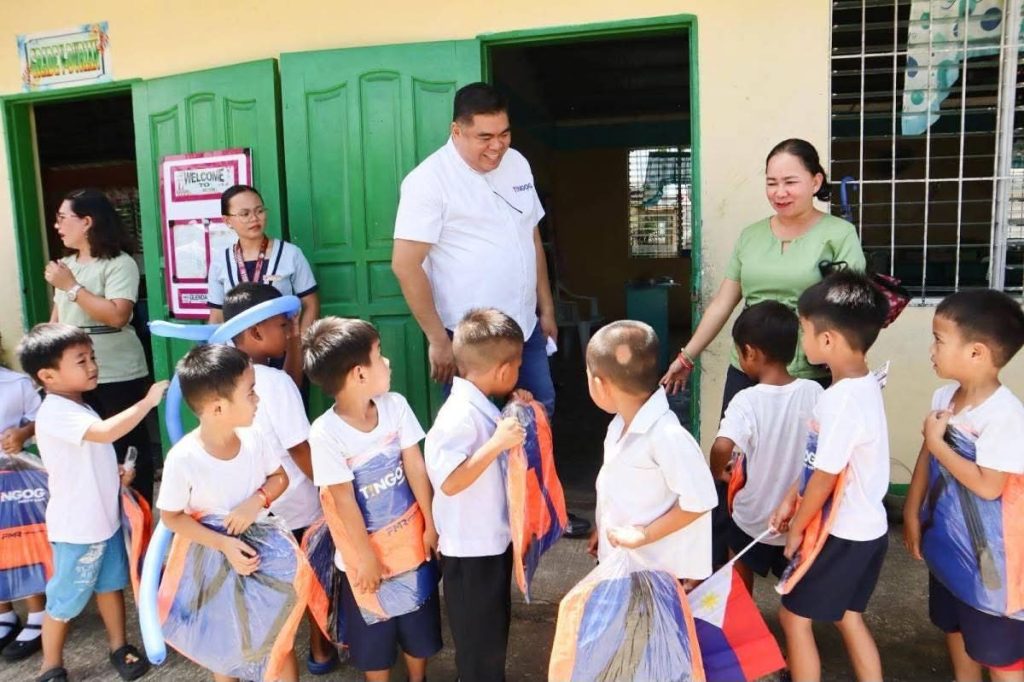
A significant legislative push is underway to bridge the educational divide in the Philippines with the introduction of the Last Mile Schools Act, formally filed as House Bill 18. This measure aims to institutionalize government support specifically for Last Mile Schools, which are educational institutions situated in the most remote, isolated, and underserved areas of the country. These schools, which frequently serve Indigenous Peoples communities, have historically faced systemic challenges that have significantly hindered the consistent delivery of quality education.
House Bill 18 is founded on the principle that geographic isolation must not act as a barrier to academic success. To address these inequities, the proposed legislation mandates the national government to guarantee consistent and sustainable funding dedicated to several critical infrastructure and resource needs. Specifically, the bill prioritizes the construction and rehabilitation of permanent classrooms to replace temporary or makeshift structures. It also ensures the electrification of school sites to support modern learning environments and mandates the regular deployment of licensed, qualified teachers to reach even the most remote communities. Furthermore, the act includes provisions for the essential improvement of road networks and pathways leading to these schools to ensure safe and reliable access for both students and faculty.
The Last Mile Schools Act is explicitly designed to address the needs of marginalized sectors, particularly those within Indigenous Peoples communities. By prioritizing these often-overlooked areas, the bill aims to foster a more inclusive educational landscape where every Filipino child, regardless of their location, has the opportunity to learn in a safe, conducive, and well-supported environment. Proponents of the bill emphasize that the passage of House Bill 18 serves as a crucial step toward realizing the national promise of “Edukasyon Para sa Lahat” or Education for All. The measure reflects a long-term commitment to fully integrating remote schools into the mainstream educational system by providing the vital resources they rightfully deserve.